Fine-Particle Bombarding Service


Micro-particle modification technology differs from traditional sandblasting processes by utilizing ultra-fine, high-toughness, and high-hardness powders, which are sprayed onto metal surfaces using high-pressure equipment. This method creates fine dimple structures that enhance the material's strength without damaging precision tools or molds.

Micro-particles, when impacting a metal surface at high speeds, generate significant compressive residual stress (greater than -1,400 MPa), which enhances the fatigue strength and surface wear resistance of metal components.

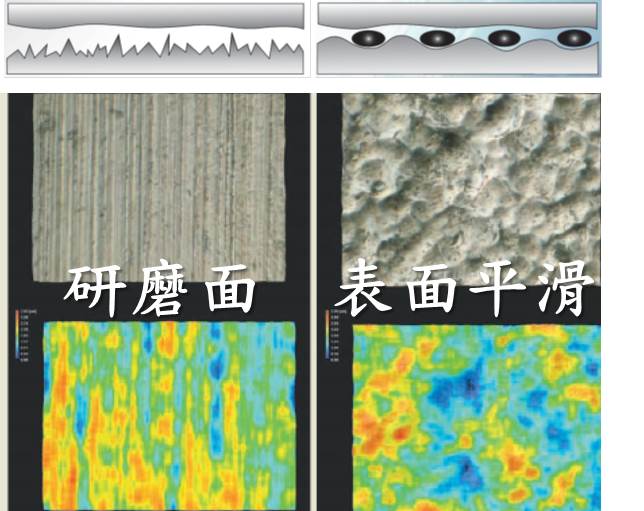
Micro-particles create fine pit features (less than 2 micrometers) on the metal surface, which preserve the lubricating oil film, reduce the coefficient of friction, and enhance release properties. This process improves coating adhesion and extends the service life of molds.

This technology has been developed over the past decade in Switzerland, Germany, and Japan, and is utilized in aerospace, precision molds, and medical equipment components.


The primary cause of metal wear damage is the impact of repeated cyclic stresses, whether thermal or mechanical, on the metal surface. Consequently, when the surface of an object is rough or contains micro-defects in the inner layer, it can result in material degradation and fracturing due to fatigue stress.

The fastest and most effective method for improvement is to apply pre-compressive stress to the surface, counteracting the effects of fatigue stress on tools or molds during the production process.
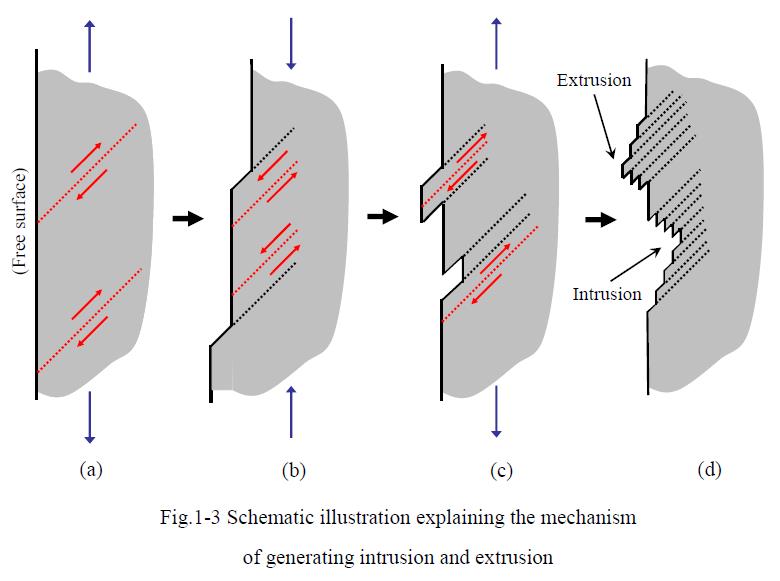
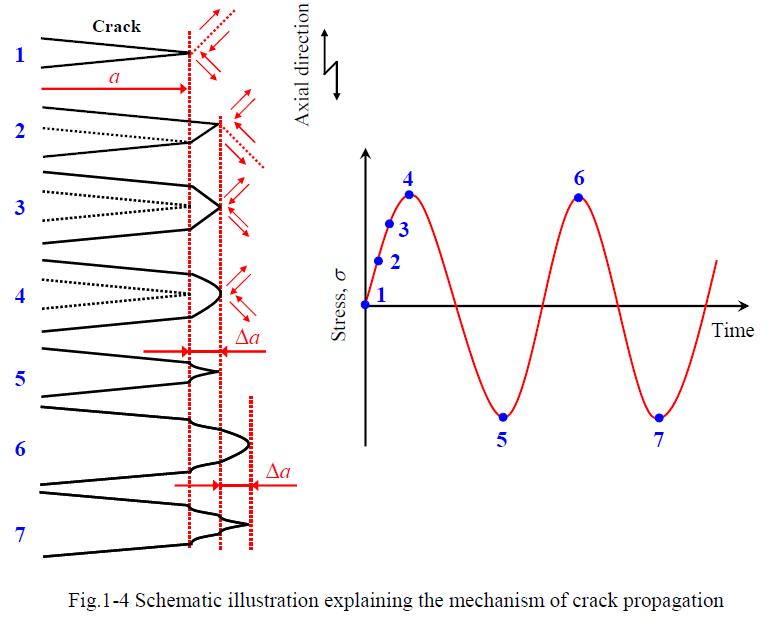
Mechanisms of Metal Fatigue and Wear - - Principle and application of metal surface modification treatment

▲Fatigue Crack Growth

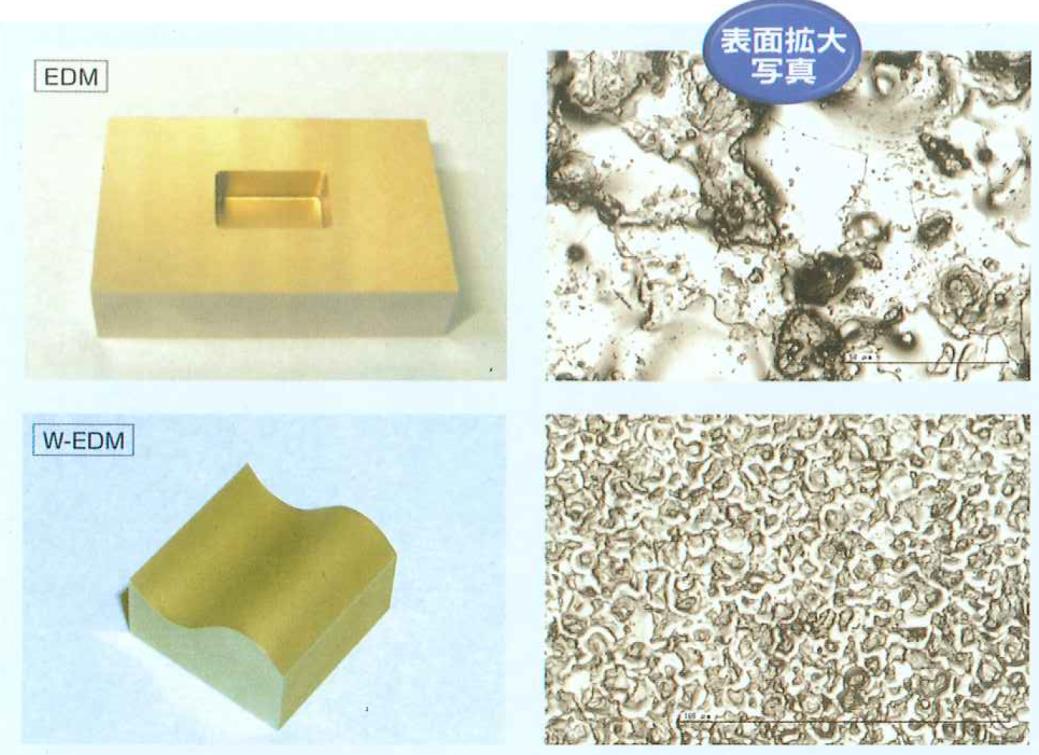
Metal Processing Surface Quality Problem Points - Principle and application of metal surface modification treatment
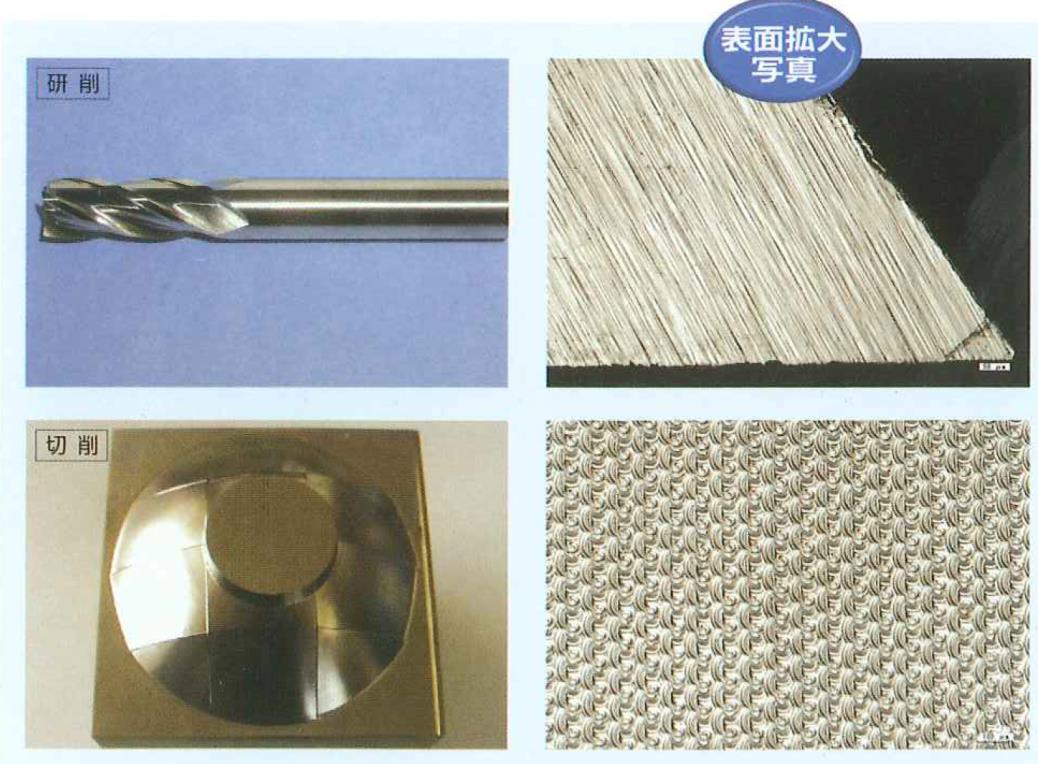
  • Micro-particles, when subjected to ultra-high pressure and ultra-high-speed impacts on a metal surface, generate high compressive residual stresses ranging from -1,200 to -1,500 MPa. This process enhances the metal's fatigue strength and wear resistance.
  • Micro-particles create micro-nano dimple features on the metal surface without compromising dimensional accuracy. This enhancement increases the space for lubricating oil, reduces the coefficient of friction, and improves mold release properties as well as service life.


Before and after treatment comparison - Principle and application of metal surface modification treatment

▲Before (left image) and after (right image) treatment comparison.
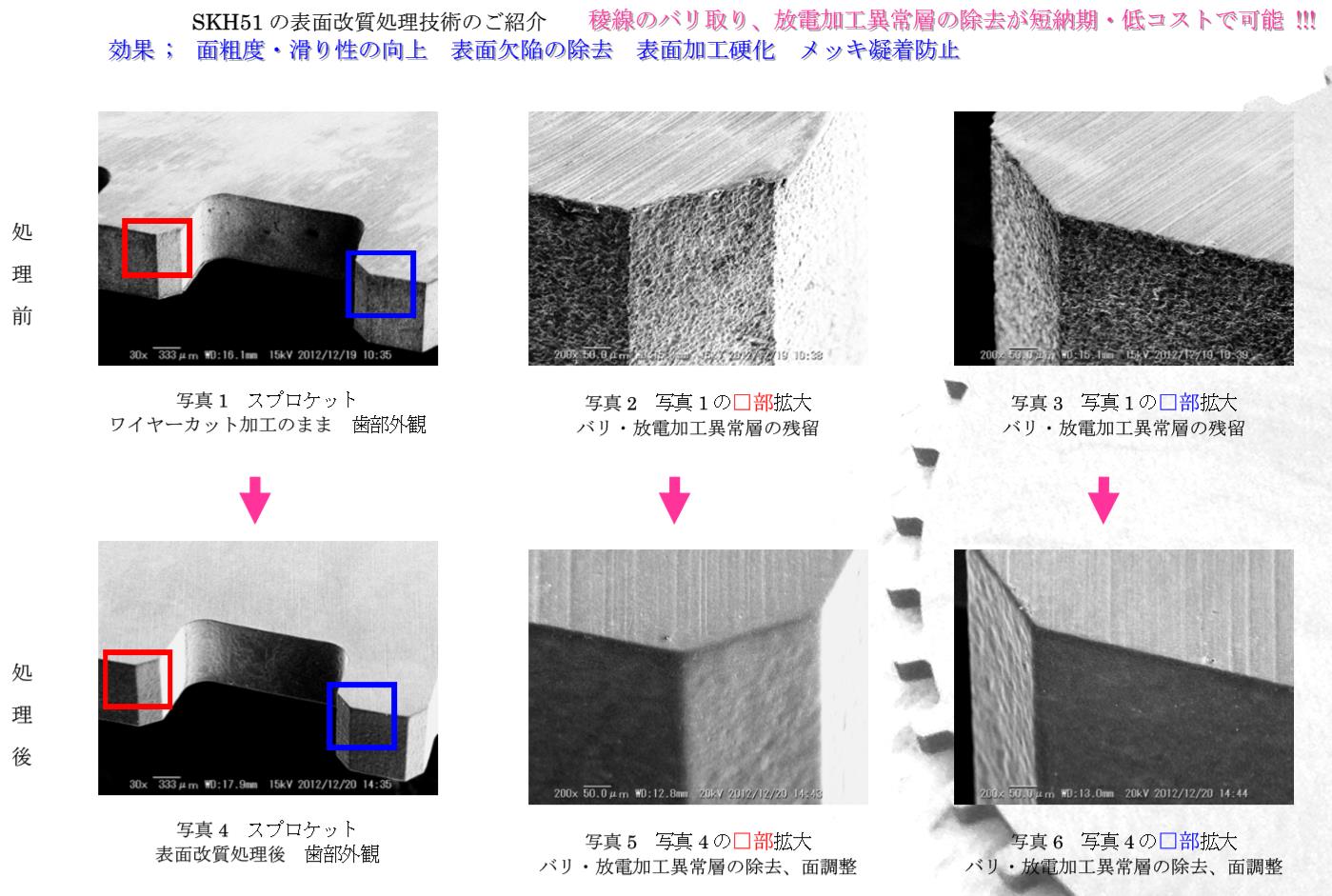
Before and after treatment comparison - Principle and application of metal surface modification treatment

▲Before (top image) and after (bottom image) treatment comparison.

  • Creates a surface with uniformly fine dimples.
  • A very shallow, hardened layer forms as a result of processing.
  • Forms a high level of compressive residual stress near the surface.
  • Minimal changes in the shape and dimensions of the workpiece are observed.
  • This product is suitable for thin plates, small diameters, and narrow shapes.
  • It is easy to create various metal surfaces.
  • It is easy to mask areas that do not require processing.
  • This can simultaneously provide various high-efficiency functions.
  • Enhancing convenience and reducing costs.

  • This process creates a high-hardness surface layer on the metal while enhancing toughness by refining the microstructure.
  • The surface forms fine dimples, which help retain lubricating oil and enhance lubricity.
  • Extends the fatigue life of components.
  • Enhances wear resistance and reduces chipping.
  • This material is effective against stress corrosion, intergranular corrosion, and electrochemical corrosion.
  • Reduces noise.
  • Repairs pores and pinholes in castings and similar materials.
  • Enhances the adhesion strength of various coatings, platings, and paint layers.
  • Multiplicative effects can be achieved through the combined treatments of nitriding and carbon infiltration.

Widely used in the fields of mechanical components, cutting tools, mold parts, and more.
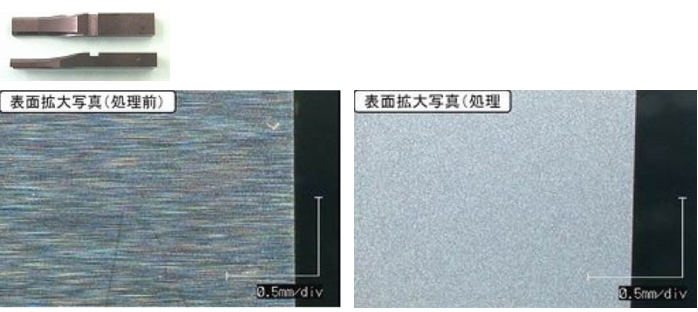
The wire rack punch surface modification before and after - Principle and application of metal surface modification treatment

▲A comparison of the wire rack punch surface modification before (first image) and after (second image) treatment.
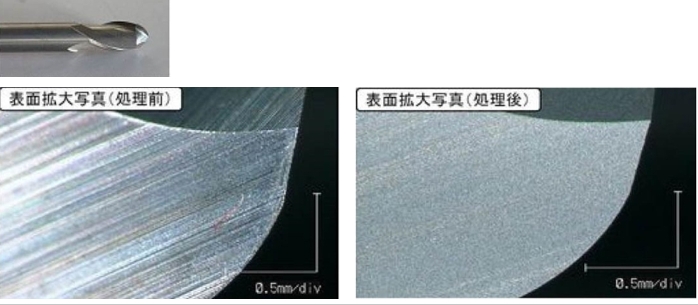
tungsten steel end mill surface modification before and after treatment - Principle and application of metal surface modification treatment

▲A comparison of tungsten steel end mill surface modification before (first image) and after (second image) treatment.
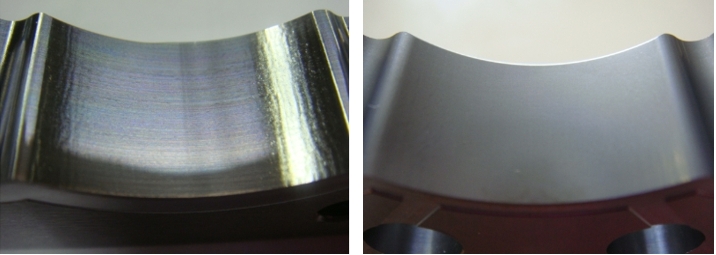
 the extrusion mold surface modification before and after treatment - Principle and application of metal surface modification treatment

▲A comparison of the extrusion mold surface modification before (first image) and after (second image) treatment.
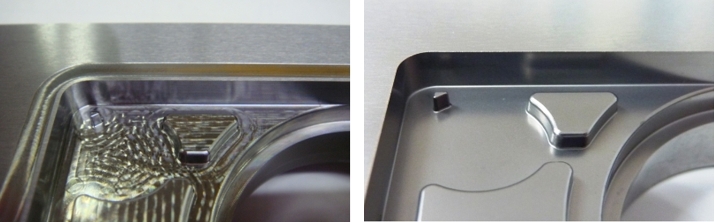
plastic injection mold surface modification before and after treatment - Principle and application of metal surface modification treatment

▲A comparison of plastic injection mold surface modification, showcasing the before (first image) and after (second image) treatment results.