Brief Introduction to Anti-Stick ( Lubricating Coating)
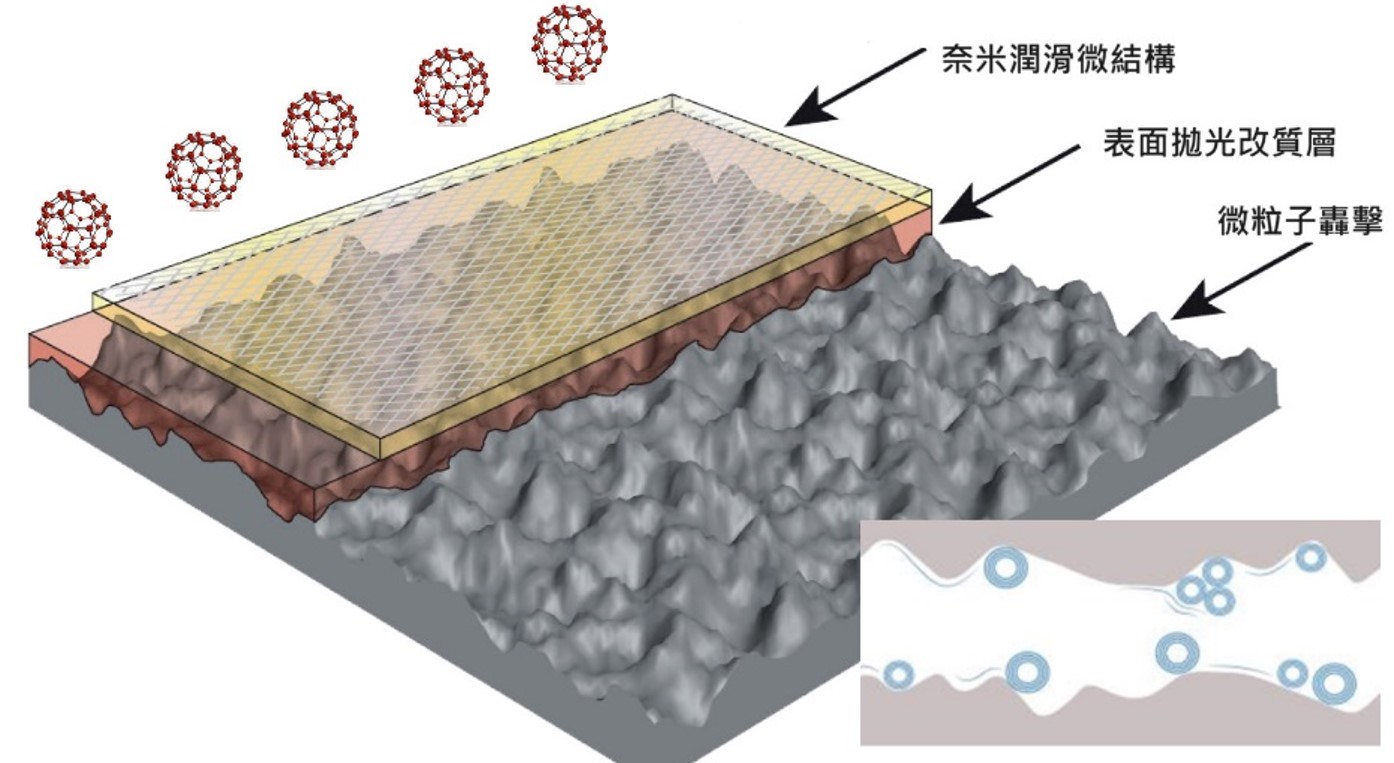
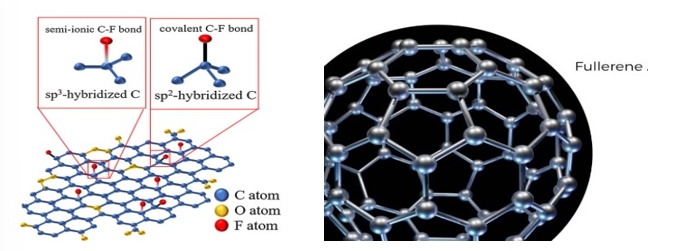
Key materials are sourced from the Weizmann Institute of Science in Israel. Fullerene (WS₂) and graphene (CFn) ion bombardment are employed to activate metal and ceramic surfaces. This process is followed by micro-particle surface modification to produce nanostructures, combined with surface techniques such as polishing, physical vapor deposition (PVD), nitriding, and carburizing. The resulting materials exhibit anti-stick properties and an ultra-smooth finish.
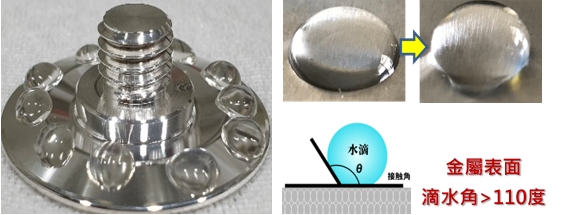
◆The primary benefits of "anti-stick" and "lubricating treatments
-
Packaging mold parts do not adhere to tin (Sn).
-
Lithium battery cutting tools do not adhere.
-
Medical injection molds do not require release agents.
-
Ultra-precision micro-hole nozzles are non-stick.
-
Optical film and TPU tungsten steel cutting tools do not adhere.
-
The components of the medical product packaging line do not adhere properly.
Introduction toAnti-stick (Lubricating Coating)
◆Film Property
-
Micro particle molecular CFn, WS₂
-
Modification thickness 0.2~0.5um
-
Surface friction coefficient <0.05
-
Surface Ra remains unchanged
-
Maximum use temperature 300 degrees
-
Processing temperature <100 degrees